


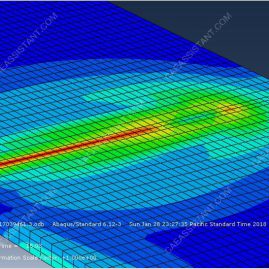
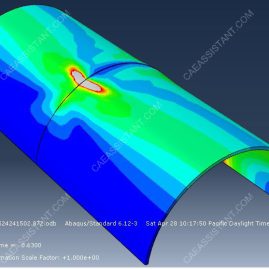
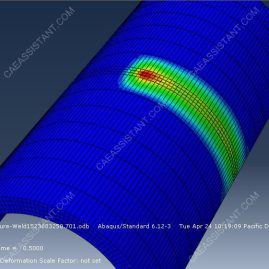
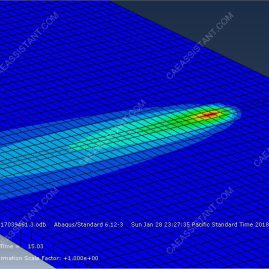
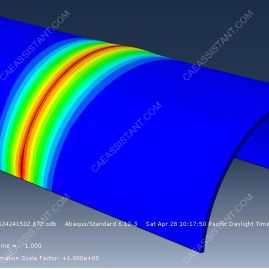
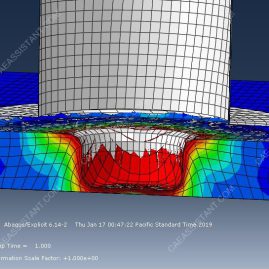
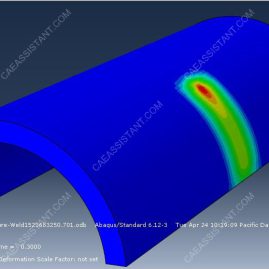
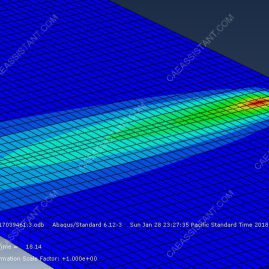
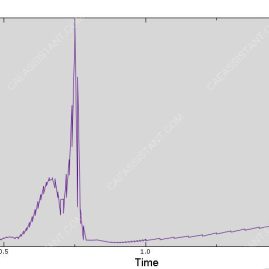
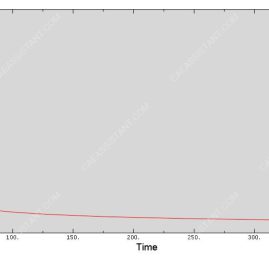
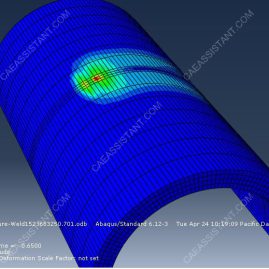
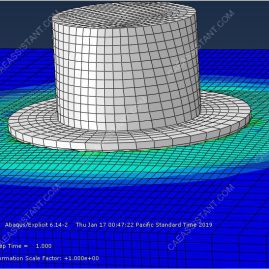
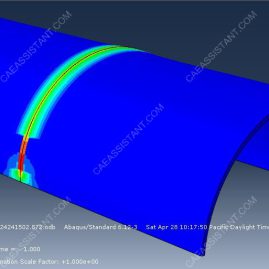
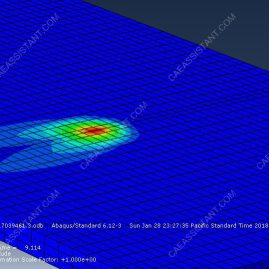
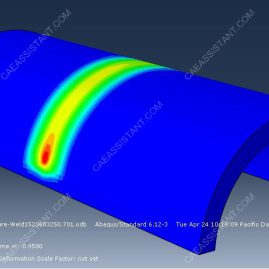
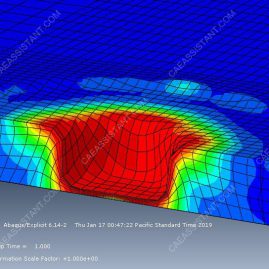
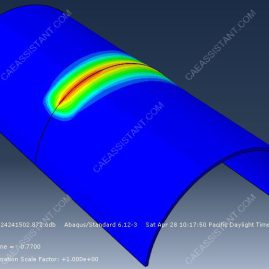
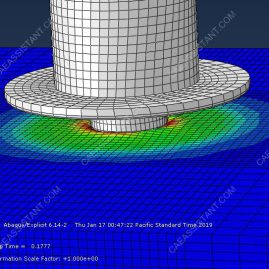
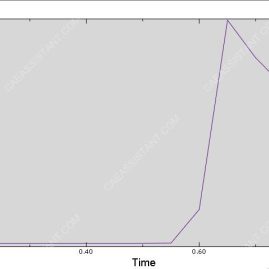
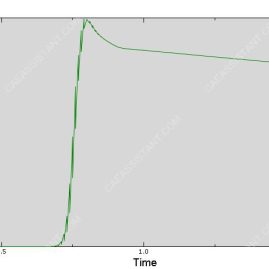
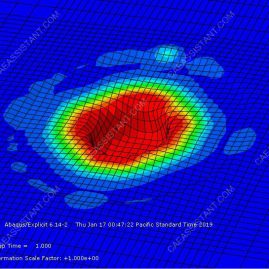
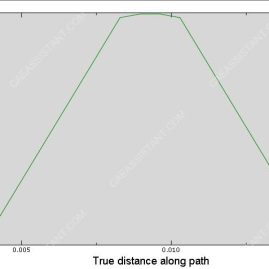
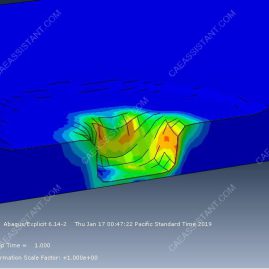
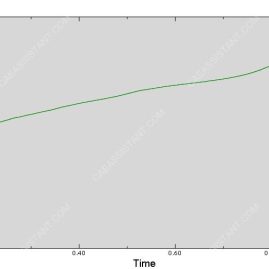
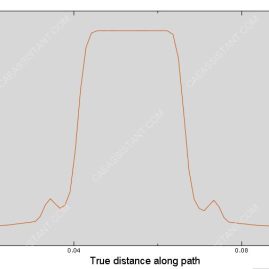
Abaqus welding simulation is crucial when predicting the impact of welding on materials. It helps engineers understand heat effects, deformation, material distortion, and residual stresses. This is particularly useful in complex welding situations, where traditional methods may not provide accurate results. Abaqus allows for a detailed analysis of thermal distribution and material behavior, making it an essential tool in the welding process.
Abaqus uses several techniques to model welding, such as heat flux configurations and the DFLUX subroutine for custom thermal conditions. The “death and birth of elements” method is also key, enabling material addition as the weld progresses. The software uses various theoretical approaches like Lagrangian, Eulerian, and ALE methods to accurately simulate material flow and deformation during welding, ensuring realistic results.
This blog covers Abaqus welding simulations step by step. You’ll explore how to use different simulation methods and apply them in practice, like creating parts and setting material properties. It also explains the theoretical methods used to track material deformation. Finally, the blog introduces welding methods, from fusion to non-fusion techniques, showing their real-world applications in industries like aerospace and automotive.
Want to practice welding simulations in Abaqus? You’re in the right place! These tutorials cover over 10 types of welding simulations, from basic to advanced, each designed to replicate real-world welding techniques like arc welding, friction stir welding, and inertia welding. But that’s not all! You’ll learn the types of welding and the methods and theories behind the scenes of the simulations.
Reviews
There are no reviews yet.