In this tutorial, a Fluid-Structure Interaction (FSI) simulation of human blood flow within a coronary vessel using Abaqus is presented.
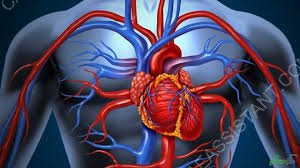
Cardiovascular diseases (CVD) are the leading cause of death worldwide. They account for about 49% of deaths in Europe and 38% in the United States. CVD includes several types of heart and vessel disorders. One major category is Coronary Artery Disease (CAD), which is strongly linked to atherosclerosis. This condition involves the formation, growth, and rupture of atheromatous plaques inside the arteries.
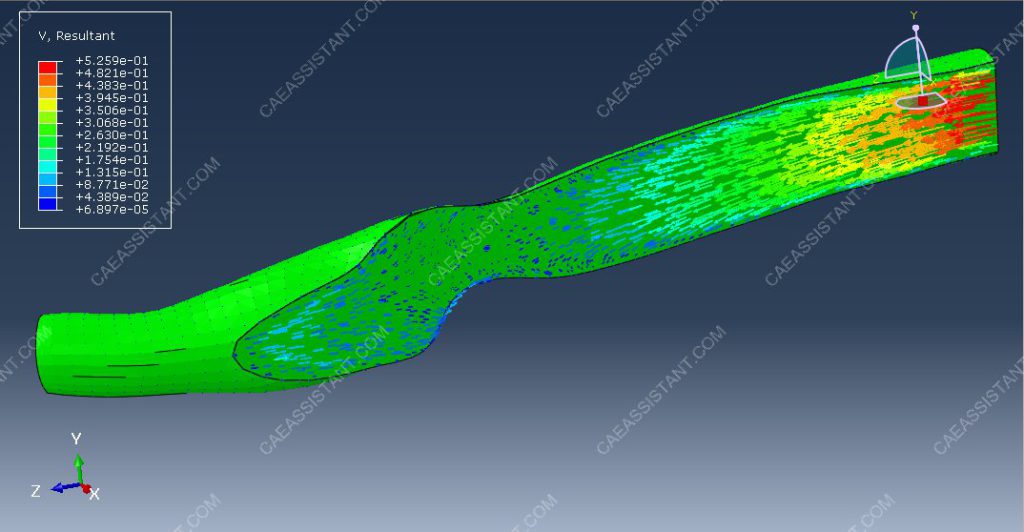
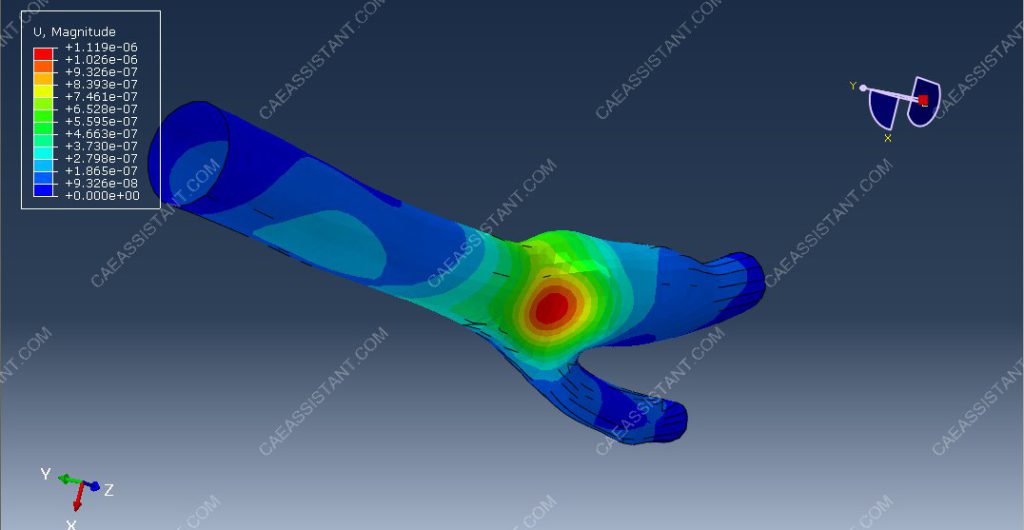
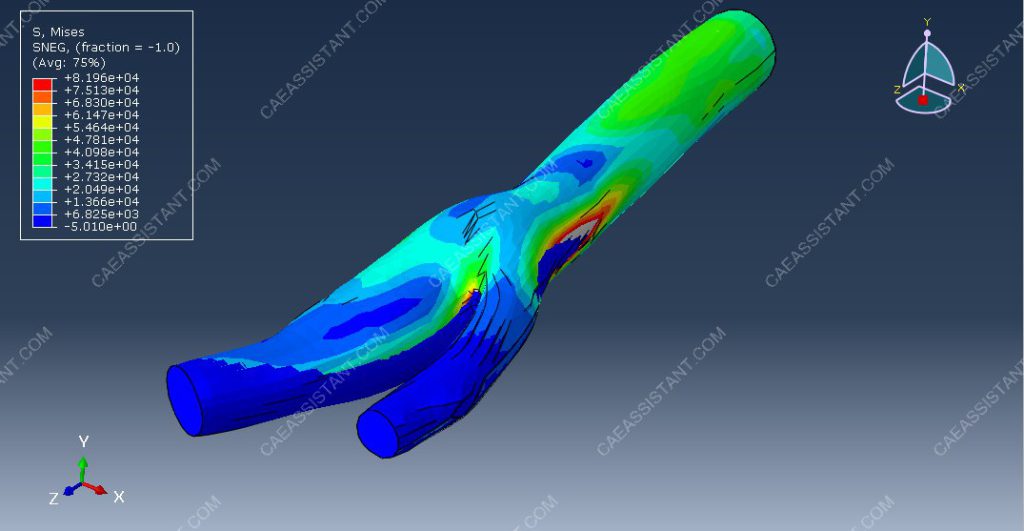
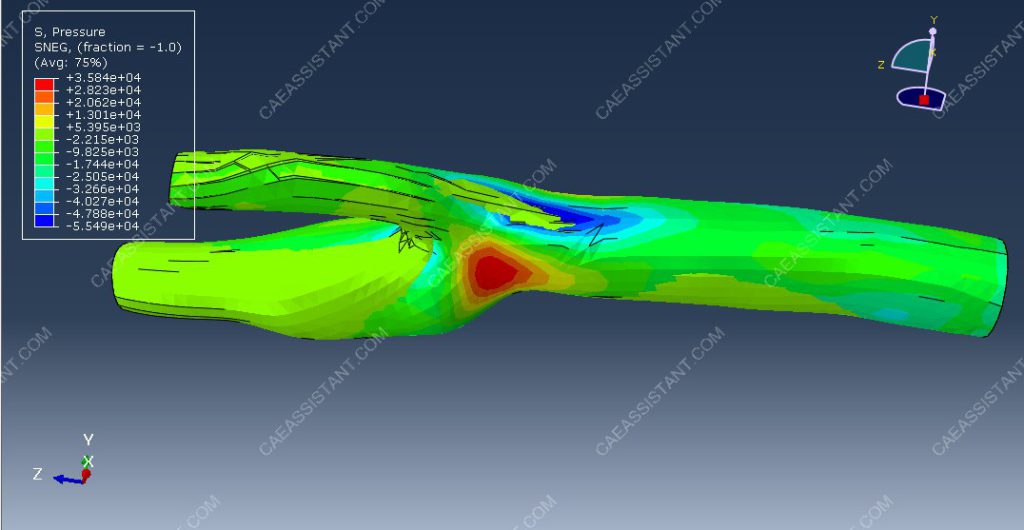
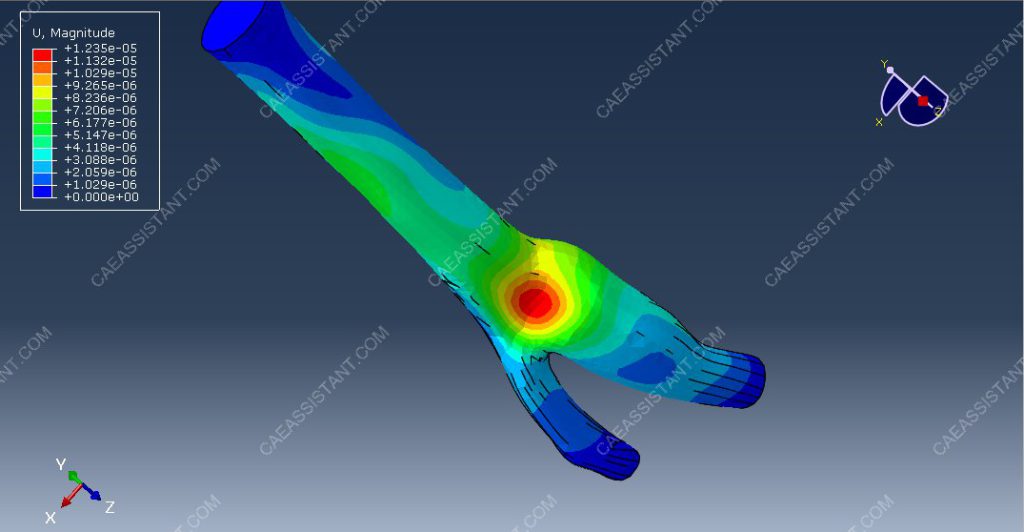
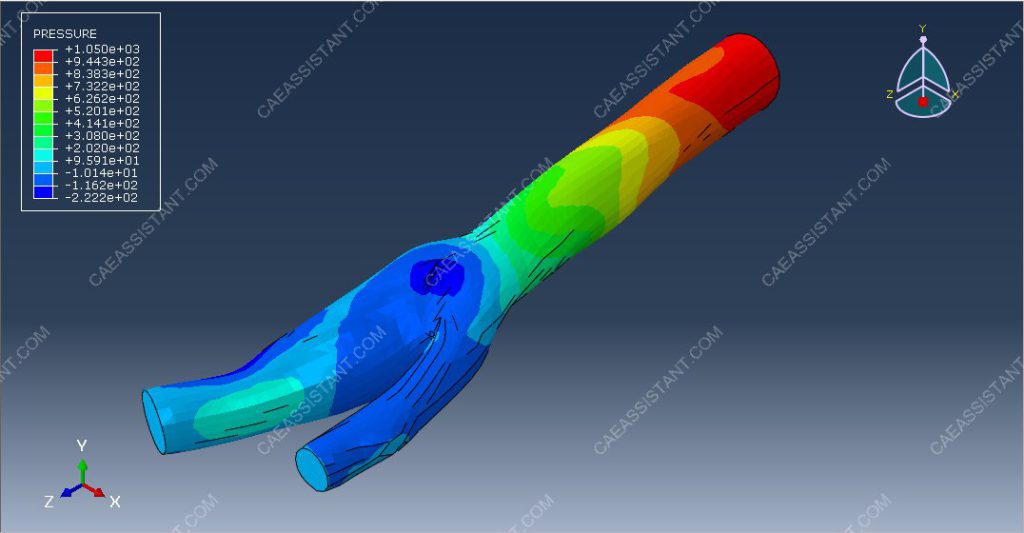
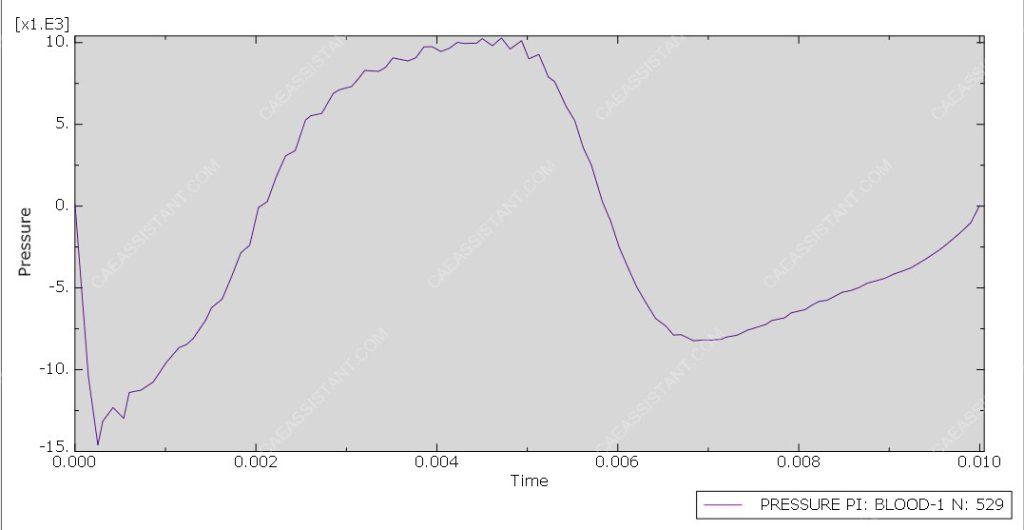
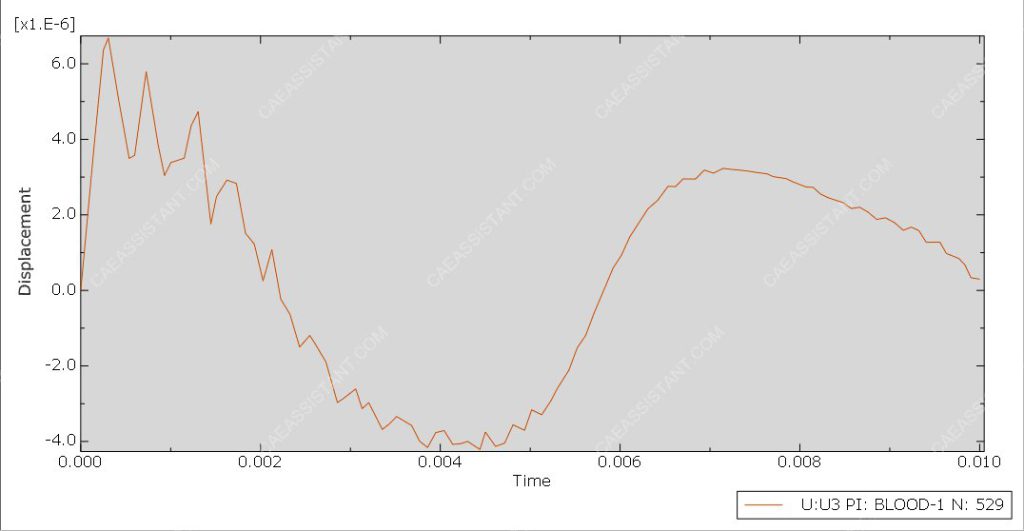
In the simulation, both blood and vessel geometries are modeled as three-dimensional parts. The process begins with Computational Fluid Dynamics (CFD) analysis in Abaqus/CFD. Blood is treated as a fluid with defined density and viscosity. The CFD step provides velocity and pressure fields. These results are then imported into Abaqus/Standard for structural analysis of the vessel. In this step, stress and displacement distributions within the vessel wall are obtained.
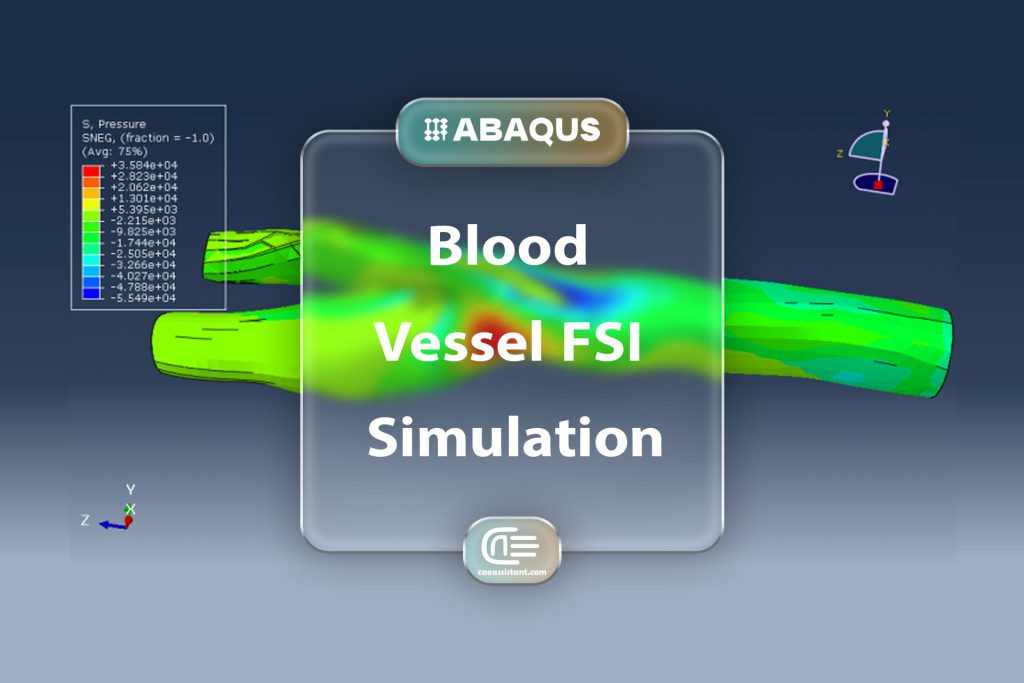
The tutorial also demonstrates the use of the co-simulation engine, which enables coupling between fluid and structural domains. Figures of the simulation results are provided to illustrate the workflow and outcomes.