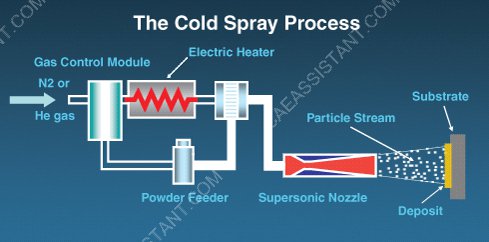
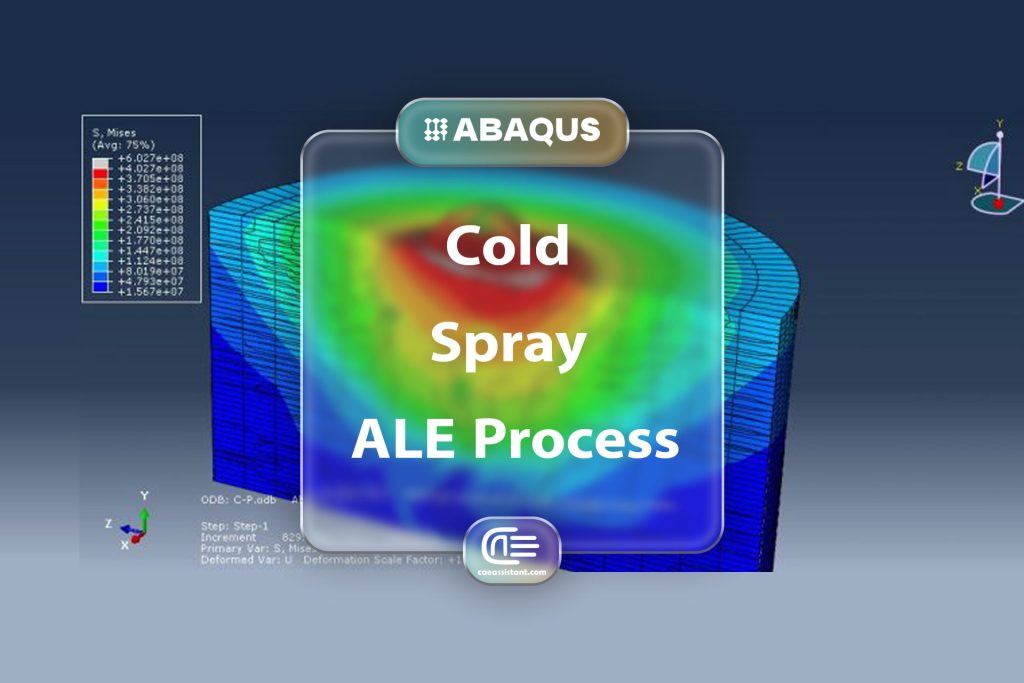
In this tutorial, the Cold Spray process is simulated in Abaqus using the ALE method. Cold Spray is a solid‑state coating technique in which powder particles, typically 10–40 µm in size, are accelerated to very high velocities (200–1200 m/s) by a supersonic gas jet. Because the process operates below the melting point of the material, the particles remain solid during flight.
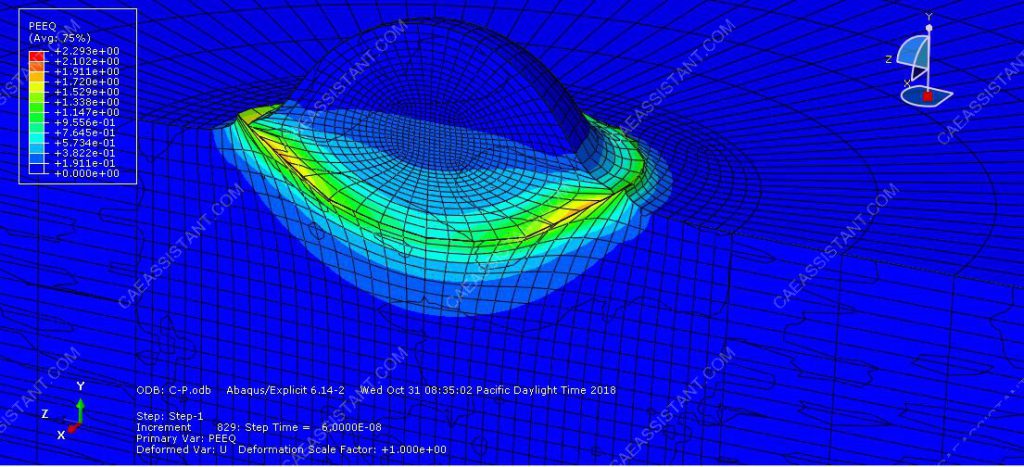
When the particles impact the substrate, they undergo rapid and severe plastic deformation. This deformation breaks the thin oxide layers on the particle and substrate surfaces. As a result, clean metal surfaces come into direct contact under high local pressure, allowing strong bonding and rapid buildup of deposited layers. Deposition efficiency can exceed 90%.
Unlike thermal spray processes, Cold Spray does not rely on melting the feedstock. Thermal spray can cause oxidation, thermal degradation, and residual stresses, and often requires controlled atmospheres or vacuum systems. These factors increase cost and limit coating thickness. Cold Spray avoids these issues by using low thermal input, producing coatings with low porosity and low oxygen content.
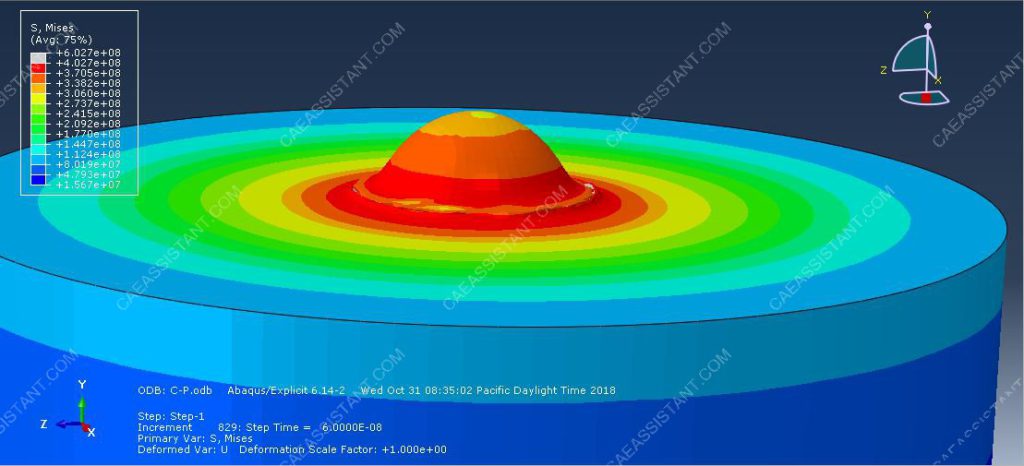
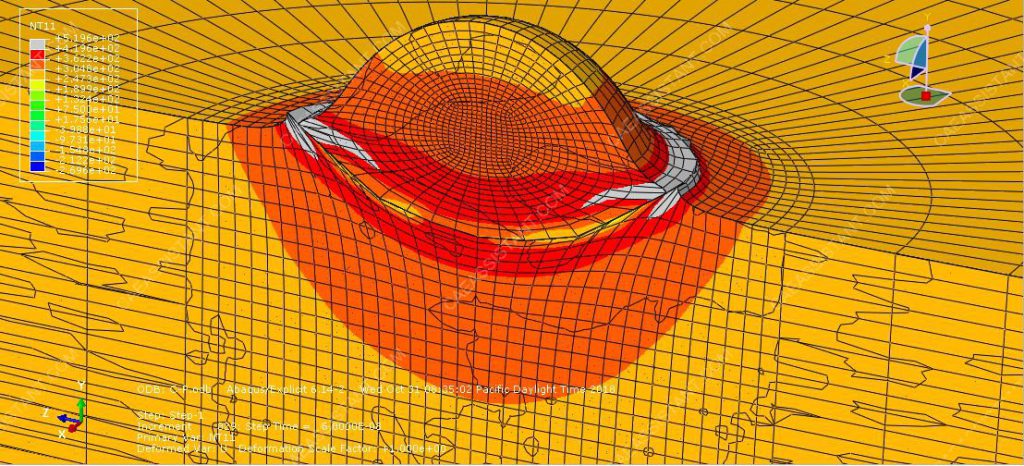
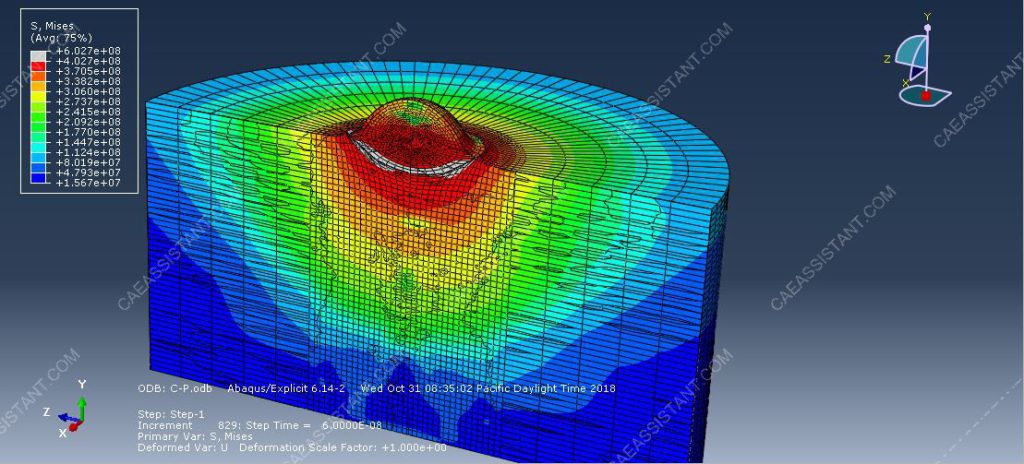
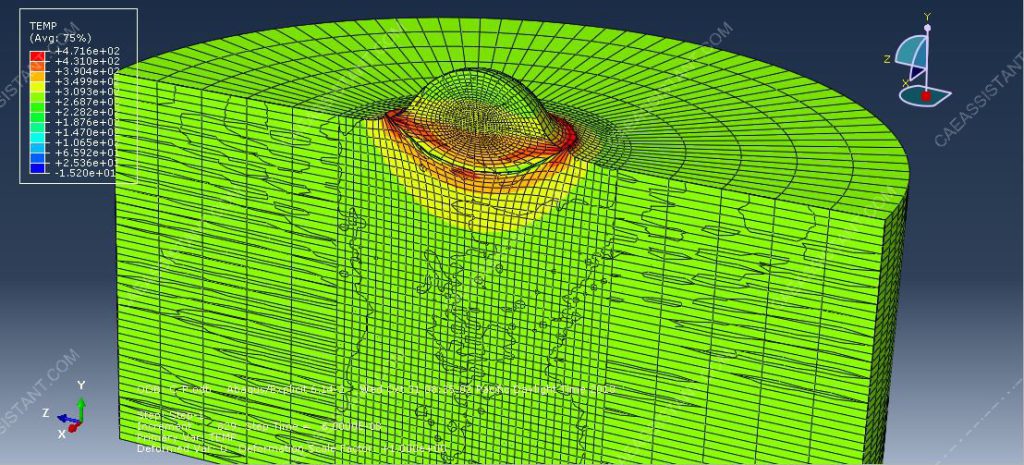
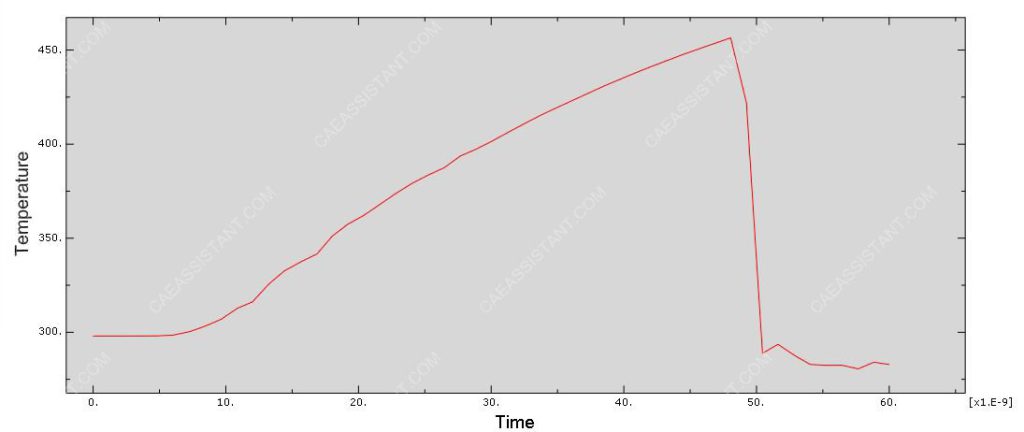
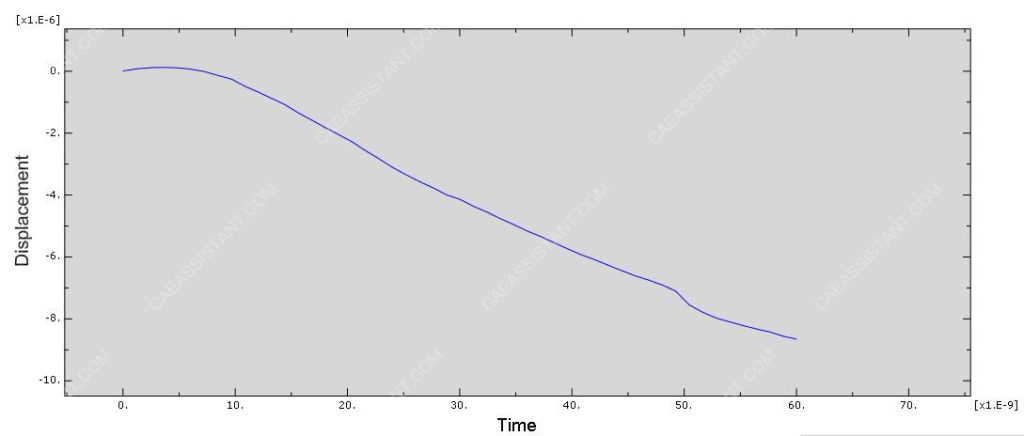
In this study, the particle is modeled as a three‑dimensional aluminum sphere with micrometer‑scale dimensions. Both the particle and the target are defined with aluminum material properties. The Dynamic Temperature–Explicit step is used, which is suitable for high‑velocity impact simulations. During the analysis, both the particle and the substrate experience large plastic deformation, and the predicted temperature rise agrees well with experimental observations.
Figures of the process schematic and simulation results are shown below.