


T-junctions are widely used in piping systems and multi-channel networks across many industries, including petrochemical plants, electronic cooling systems, molecular biology processes, and power plants. Understanding the thermal–hydraulic behavior in a T-junction is essential for effective piping design.
Many computational fluid dynamics (CFD) simulations with different turbulence models have been performed to study mixing characteristics in T-junctions. Previous studies using the Large Eddy Simulation (LES) turbulence model showed that calculated maximum temperatures were slightly higher than experimental measurements.
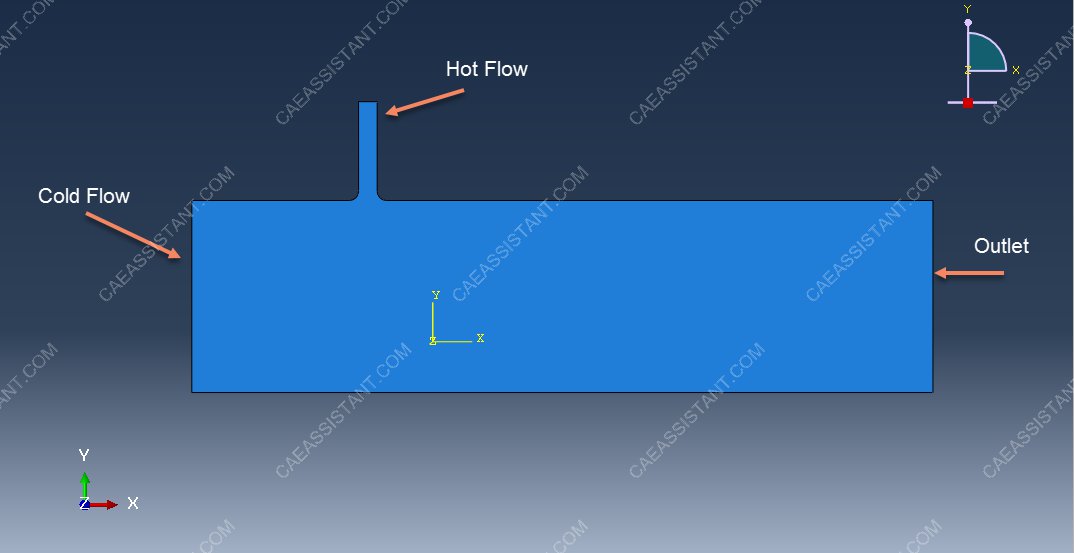
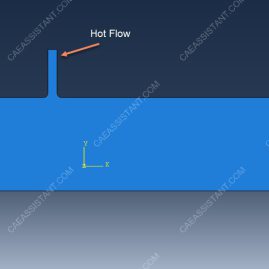
In this tutorial, Abaqus CFD is applied to analyze thermal mixing in a T-junction. A schematic of the model is shown below. Water is used as the working fluid, with defined thermal properties. The simulation includes a flow-thermal step, three boundary conditions, and a predefined field setup.
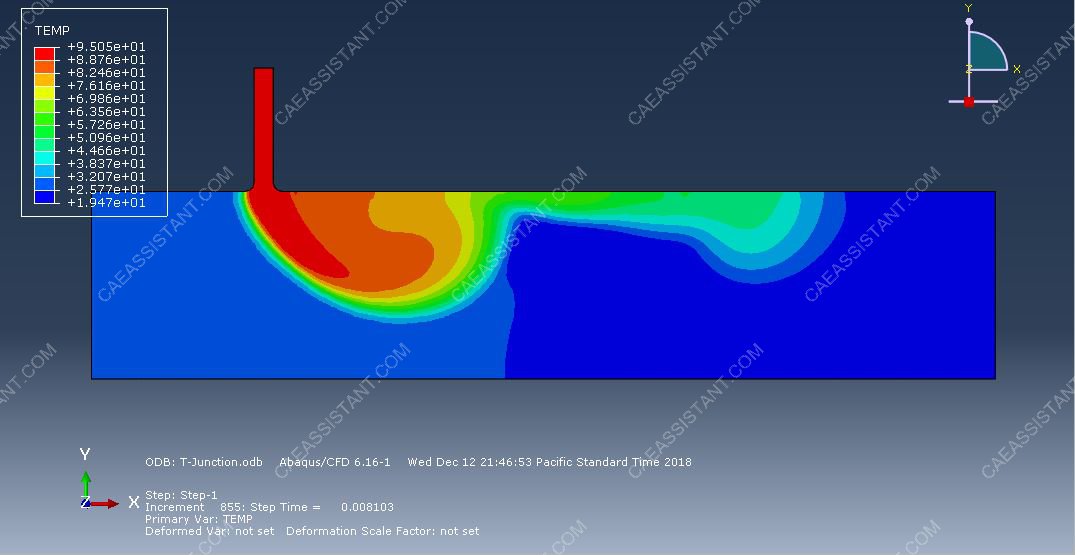
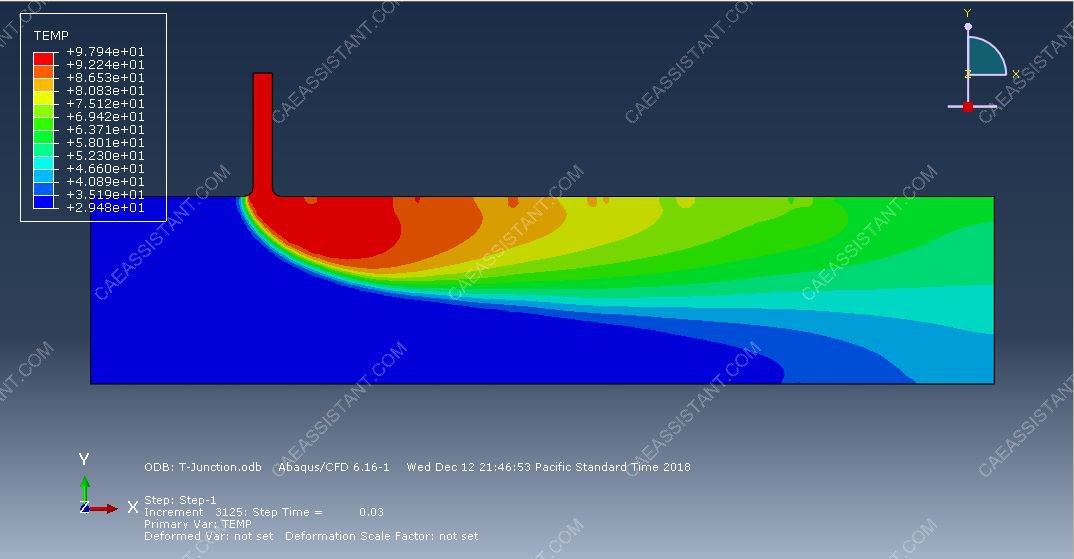
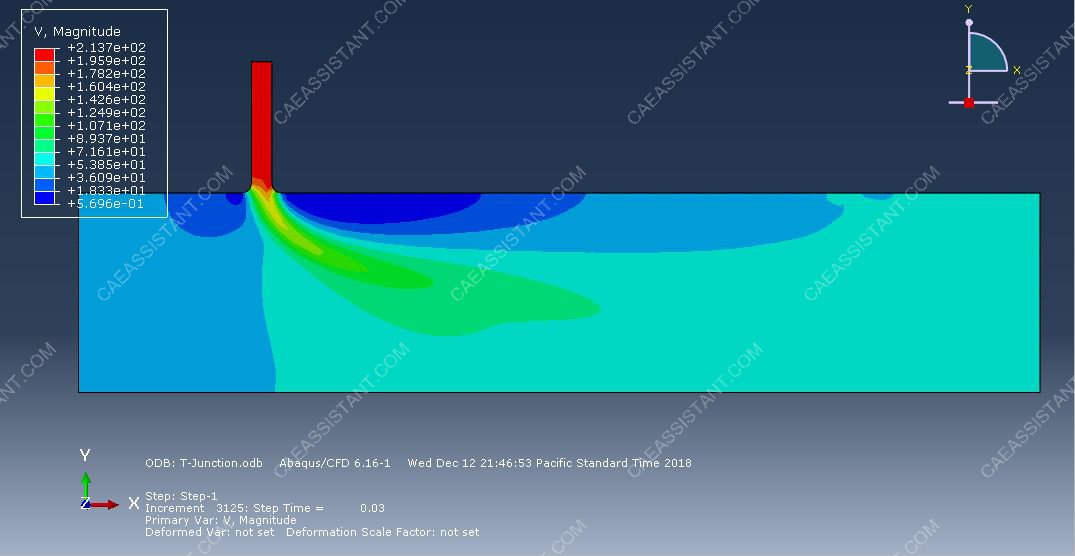
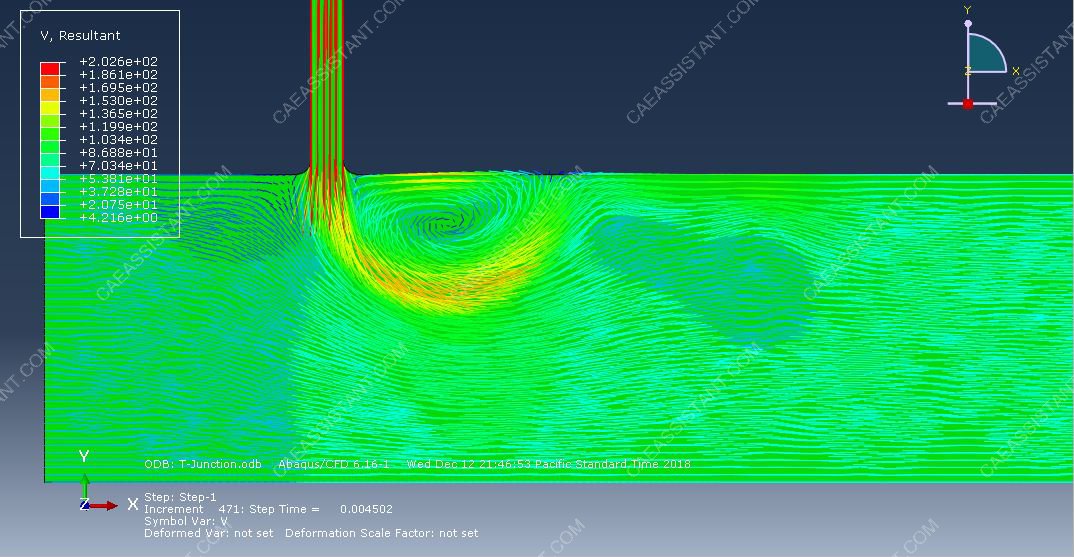
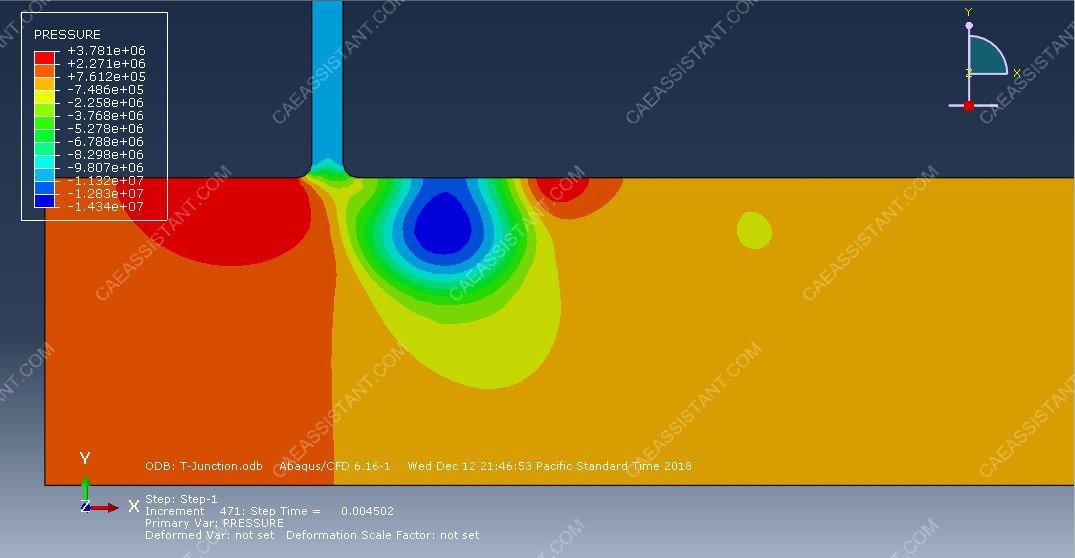
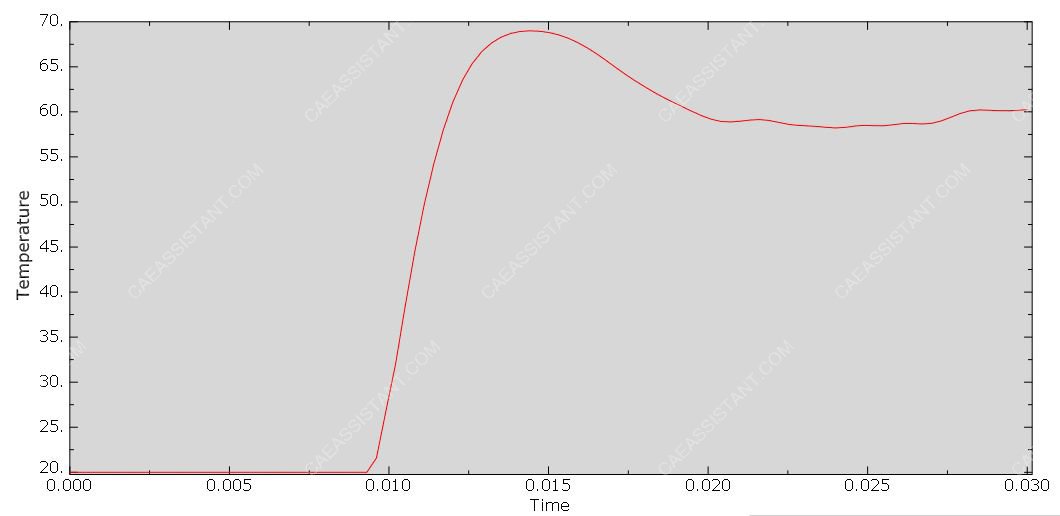
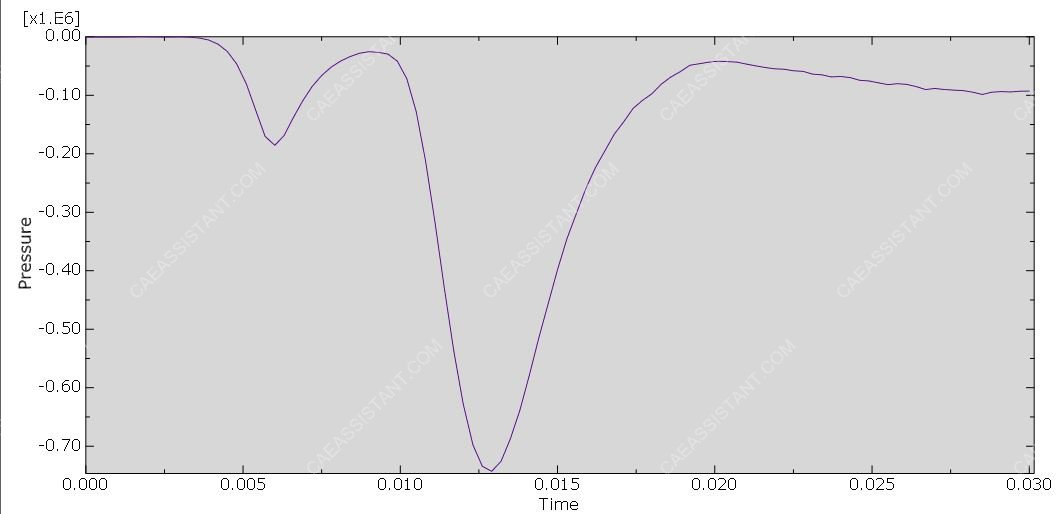
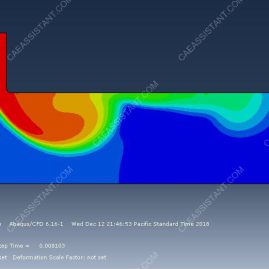
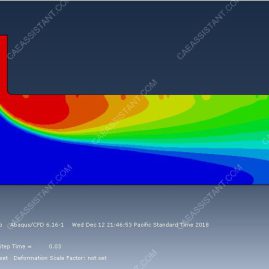
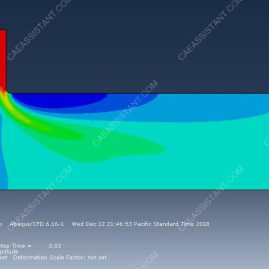
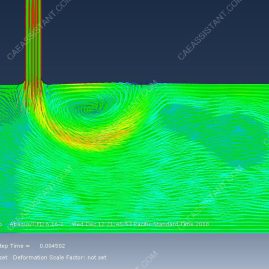
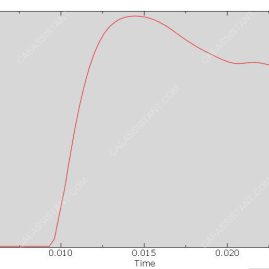
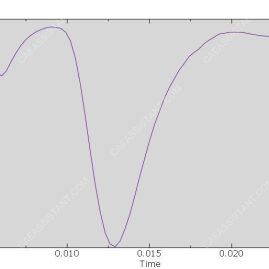
During the simulation, two flows mix inside the junction. The results show the average temperature distribution and reveal reverse flow near the hot flow branch. Figures of the results are provided below.
Reviews
There are no reviews yet.