Stiffened panels are widely used in the main structures of ships and underwater vehicles due to their excellent strength-to-weight ratio. These panels are typically subjected to various loads, including:
- In-plane compression or tension from hull-girder bending or torsion
- Shear forces from hull-girder shear
- Lateral pressure from external waves or shock loading
In modern naval combat, where weapon strike power has significantly increased, ship structures must be designed to withstand intense shock loads caused by weapon impacts. To study the dynamic response of such structures, researchers often use numerical simulations, analytical models, or experimental methods.
Underwater explosions—whether from conventional high explosives or nuclear weapons—release a large amount of energy. This generates a shock wave and creates a superheated, highly compressed gas bubble in the surrounding water.
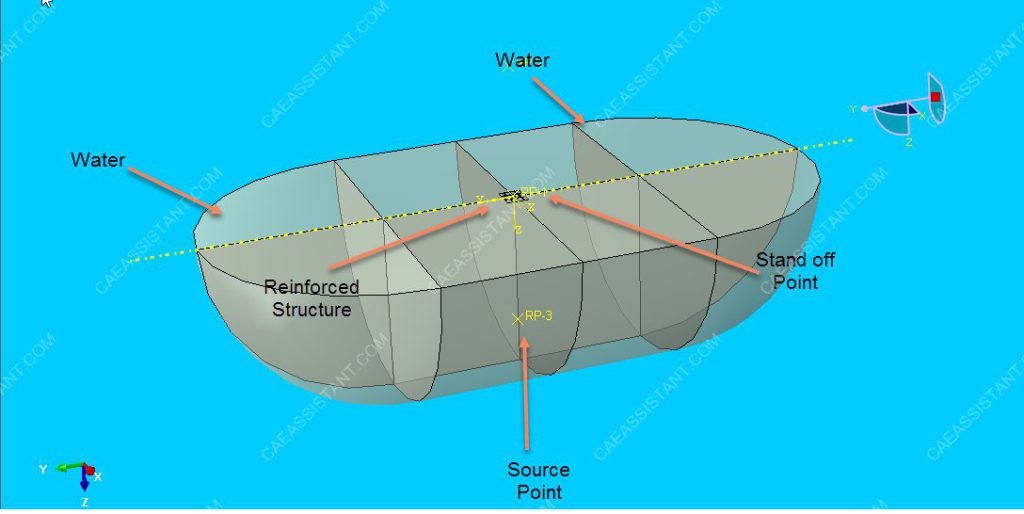
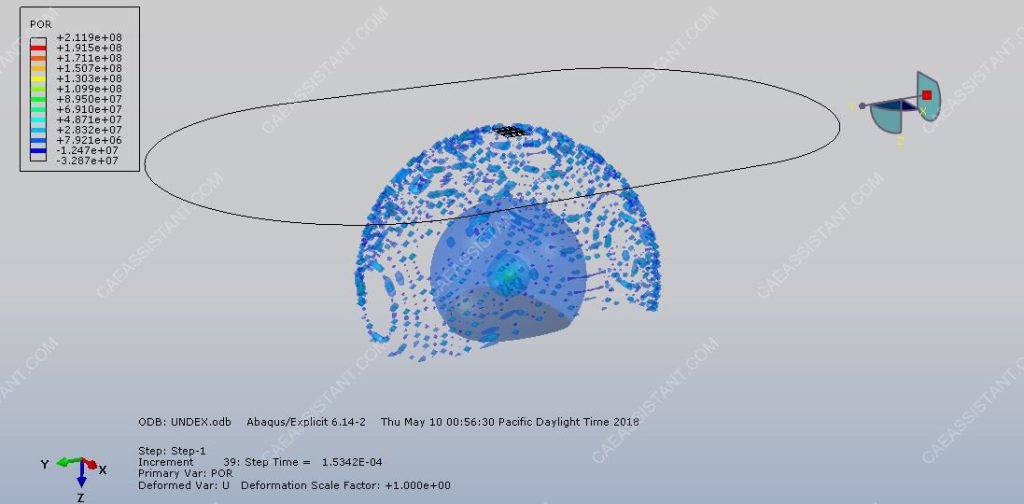
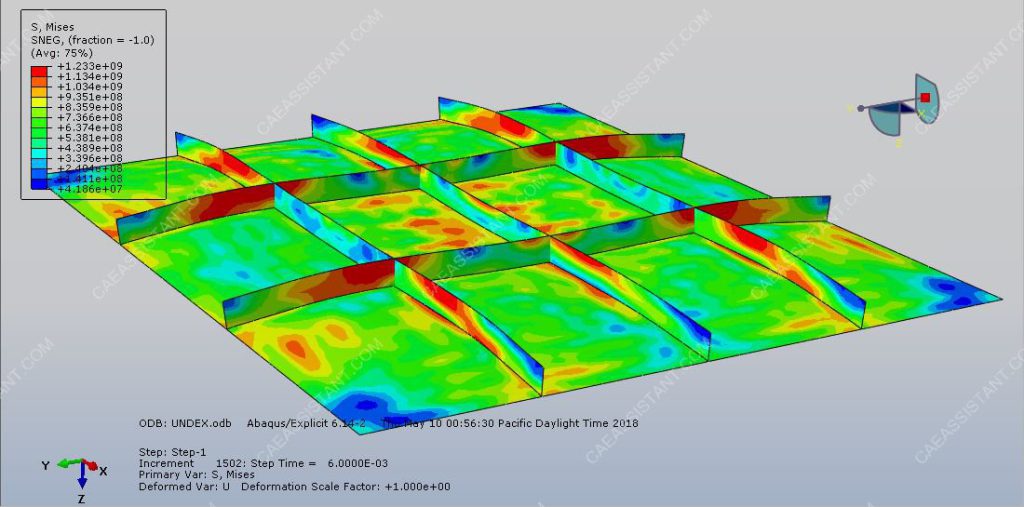
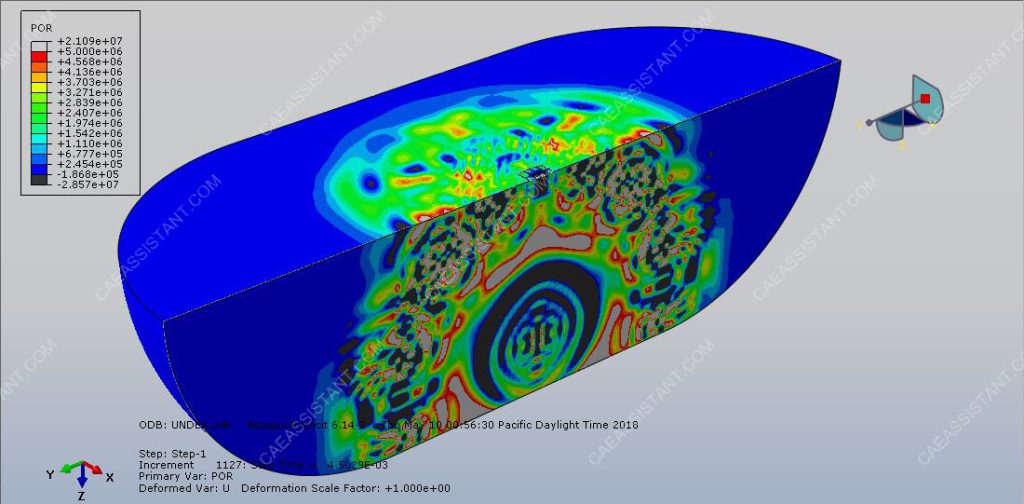
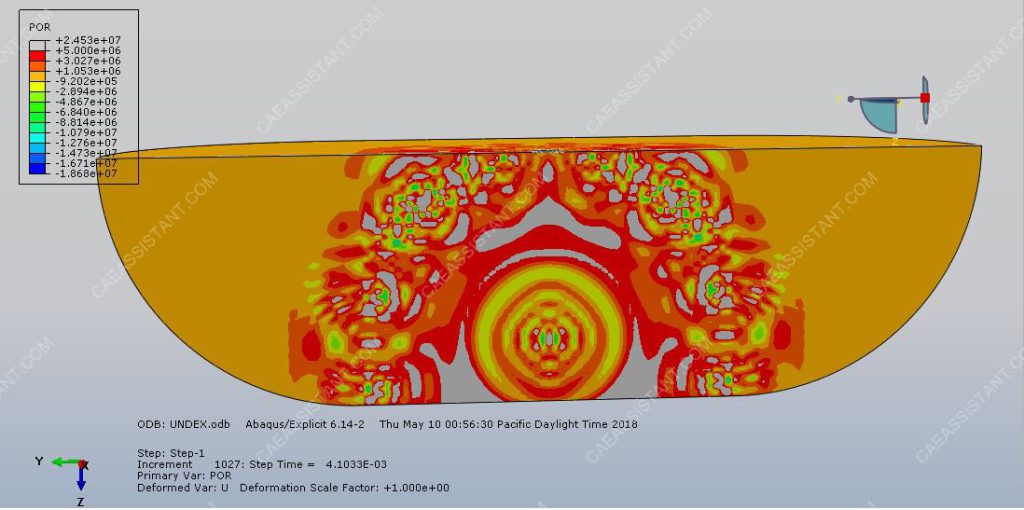
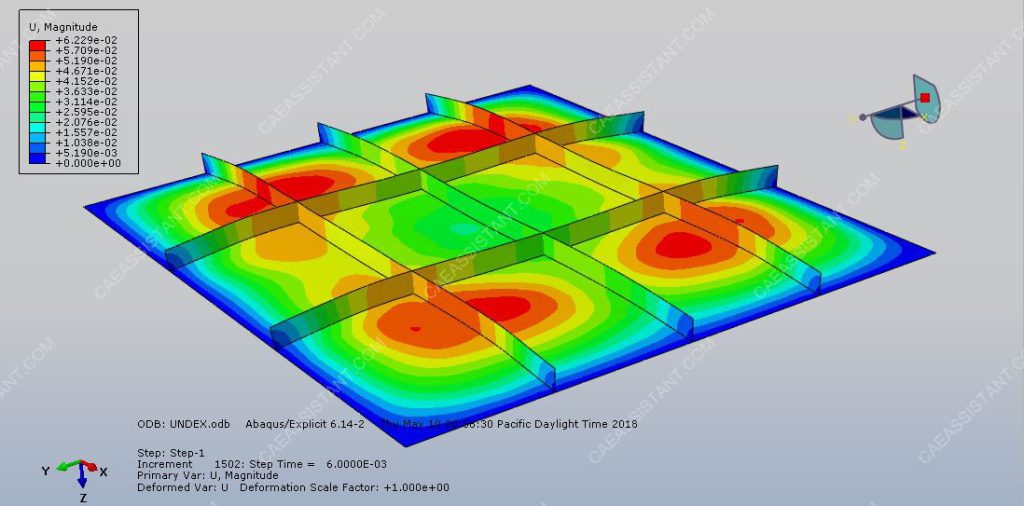
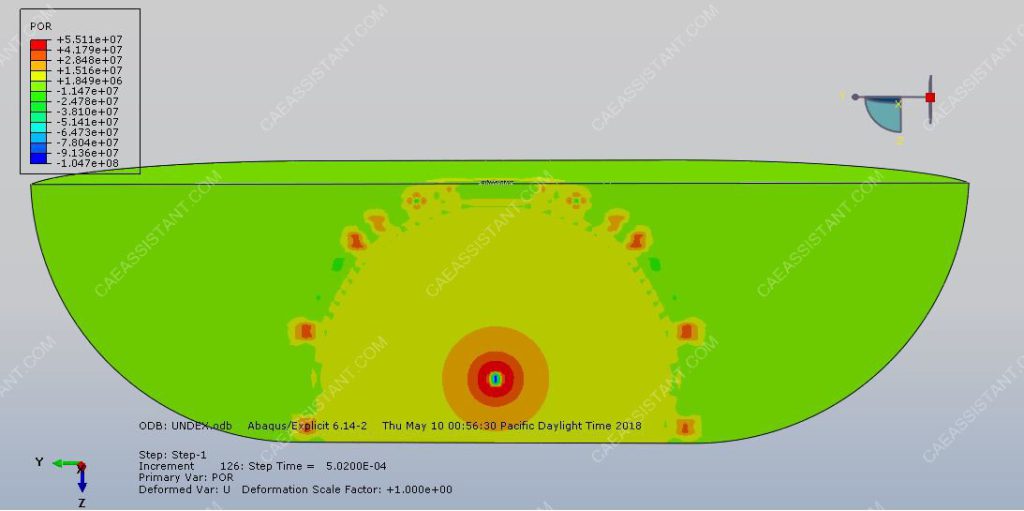
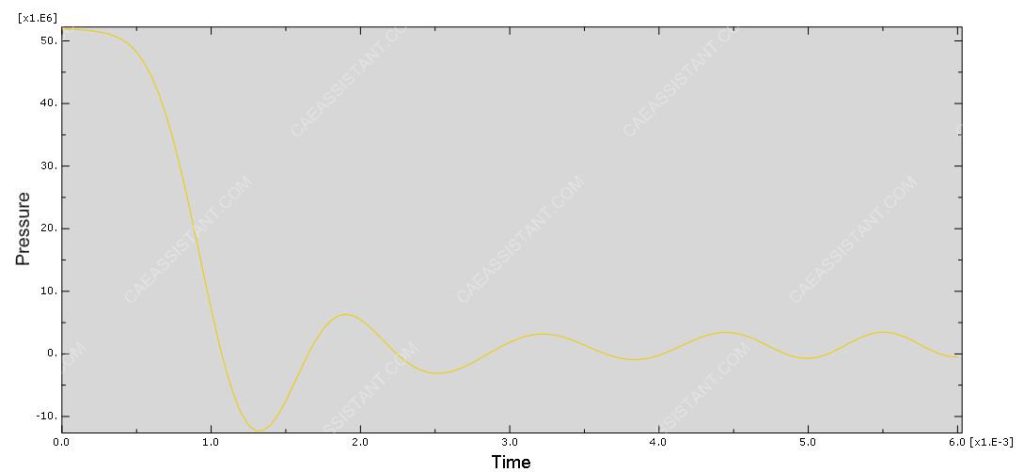
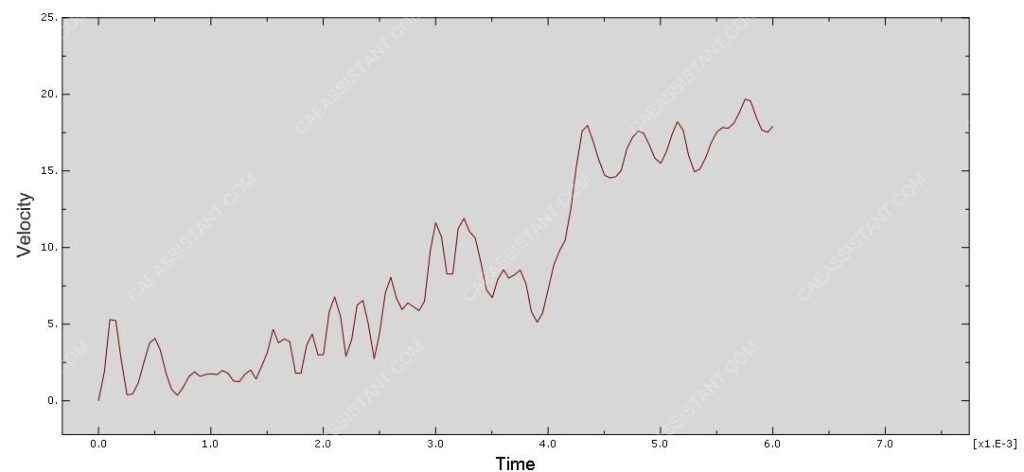
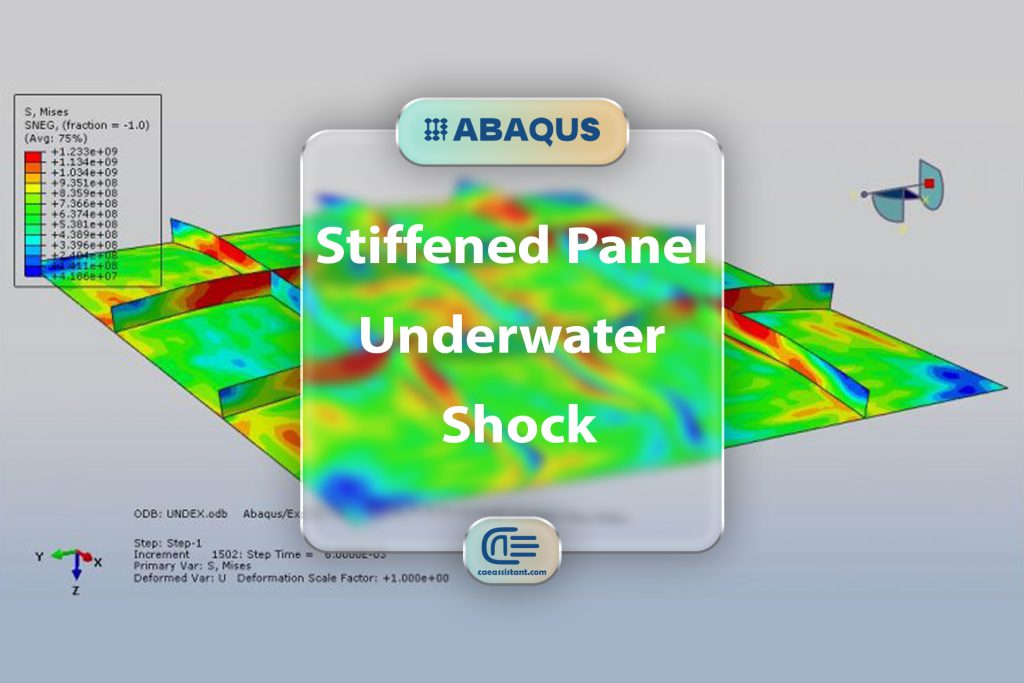
In this tutorial, we analyze the deformation behavior of a stiffened panel subjected to underwater shock loading using the non-linear finite element method in Abaqus. The simulation employs the UNDEX (Underwater Explosion) method to model the shock effects accurately.
Dynamic analysis is essential for capturing the transient response of the structure. Below, you will find a schematic of the simulation setup and visual results from the analysis.